It’s a Wonderful Life of Albums: El Camino
It’s fitting that the first album I really fell in love with after moving to Columbus after college was from Ohio homegrown legends The Black Keys. 2011’s El Camino was Akron duo Dan Aurbach and Patrick Carney’s 7th studio album together, the follow up to their multiple Grammy winning commercial breakthrough Brothers. It peaked at number two on the Billboard album chart in the United States and prompted my first opportunity to see them live.
Most of The Black Keys discography lived on my iPod for the four years I spent in college from 2006-2010, so I was not new to their greatness by this point. This was another example of an album that just fell to me at a perfect time in my life in addition to being loaded with great songs. It kicks off with, “Lonely Boy” which won them three more Grammys that year including best rock album. With its delectable chorus and lyrics of a man at wits end, “Well your mama kept you, but your daddy left you, and I should have done you just same.” The lead guitar piece drives it so well and you can hear almost immediately why this was a hit.
The best song on the album comes a few tracks later with the organ infused, “Gold on the Ceiling.” Following the wonderful guitar intro we are introduced to an organ from decades gone by and a crowd of rhythmic hand claps. “They wanna get my gold on the ceiling, I ain’t blind, just a matter of time, before you steal it, it’s alright, ain’t no blood in my eye.” This is the kind of song that fills an arena, and it was at capacity on that day as I scribbled notes of a show review to be passed on to a co-worker’s website.
Before the album’s through, the duo lament an indecisive lover on the compelling “Nova Baby”, “All this love of mine, all my precious time, you waste it ‘cause you don’t know what you want.” There are several other non-singles that live up to Black Keys polish such as, “Run Right Back” and “Stop Stop.” All of The Black Keys albums are, “just push play” intuitive to me, but this album’s cup runneth over and should be likable to just about anyone with ears. If I went deaf I would learn braille so I could read the lyrics to their next scornful love song.
My boss at the time let me cut out early to scalp tickets for their show at the Schottenstein Center in support of the album and they did not disappoint. Certainly I’m biased, but I challenge anyone to name a better rock band from Ohio. I would certainly be thrilled if they would choose a Black Keys song for the Buckeyes to kick off to. I say this because Jack White of “Seven Nation Army” fame is from Michigan and that usually seems to be an important detail down here. Buckeye football aside, El Camino should be listened to at high volume.

It’s a Wonderful Life of Albums: Oracular Spectacular
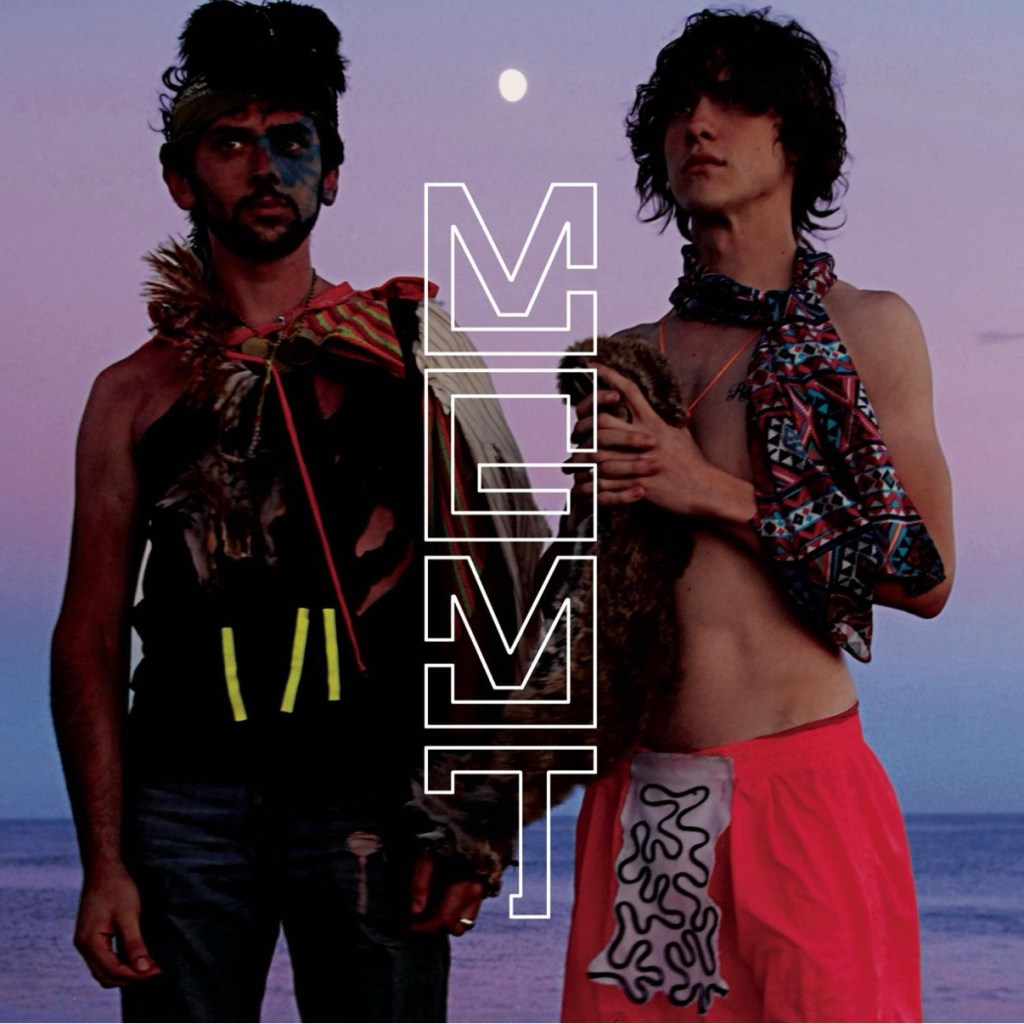
Everyone should have a psychedelic rock album from their youth, and in 2007 we got ours. Oracular Spectacular was the studio album debut for soon to be indie giants MGMT, and nothing sounds more like my sophomore year of college than this record. Formed by Ben Goldwasser and Andrew VanWyngarden at Wesleyan University in 2002 as freshman, MGMT would explode into the mainstream with a blend of psychedelia, electronica and indie rock that was as catchy as it was brilliant.
The trip starts with the single, “Time to Pretend” a wonderful synthesizer filled ode to dying young and all the fun you can have. There is a point in everyone’s partying youth that this ethos seems plausible, if only momentarily. The hook during the chorus is instantly recognizable, and the lyrics were canon among college students at the time. As they agree to live fast and die young, the future seems absurd, “Yeah it’s overwhelming, but what else can we do? Get jobs in offices and wake up for the morning commute?”
Further on the journey we run into a song about a special lady with the magic touch in, “Electric Feel.” The grooving bass drives a stomping beat that makes you want to move, as slowly as you like of course. This one will hook you with its’ ear worm quality and its hard not to bounce with the chorus, “I said, ‘Ooh girl, shock me like an electric eel, babygirl, turn me on with your electric feel.’” Infectious doesn’t even begin to describe this song at a house party, and this album should come with glow sticks.
The highest charting single on the album, “Kids” which peaked at number nine on the billboard alternative list is one of the best songs of my college years. The synth-heavy track oozes with pop sensibility, the melodic lead synth line that permeates is contagious and it’s really fantastic on large speakers. I have never understood what this song was about, and I have never cared, it’s pop perfection. I have to mention the acoustic cover of the song by The Kooks in 2008 is also worth looking up, in the realm of indie-sublime.
This record came out during the perfect time for me to hear it, and I am nostalgic about it. It’s not rosy retrospection however and I am not overapraising it. It appears on Rolling Stone’s, “Top 500 Albums of All Time” 2012 list at #494, as well as on every roommate’s iPod from the late oughts. It’s a very easy listen with some drinks and friends or your favorite psychedelic sweetener, and it’s catchy choruses just may expand your mind as well.
It’s a Wonderful Life of Albums: White Blood Cells
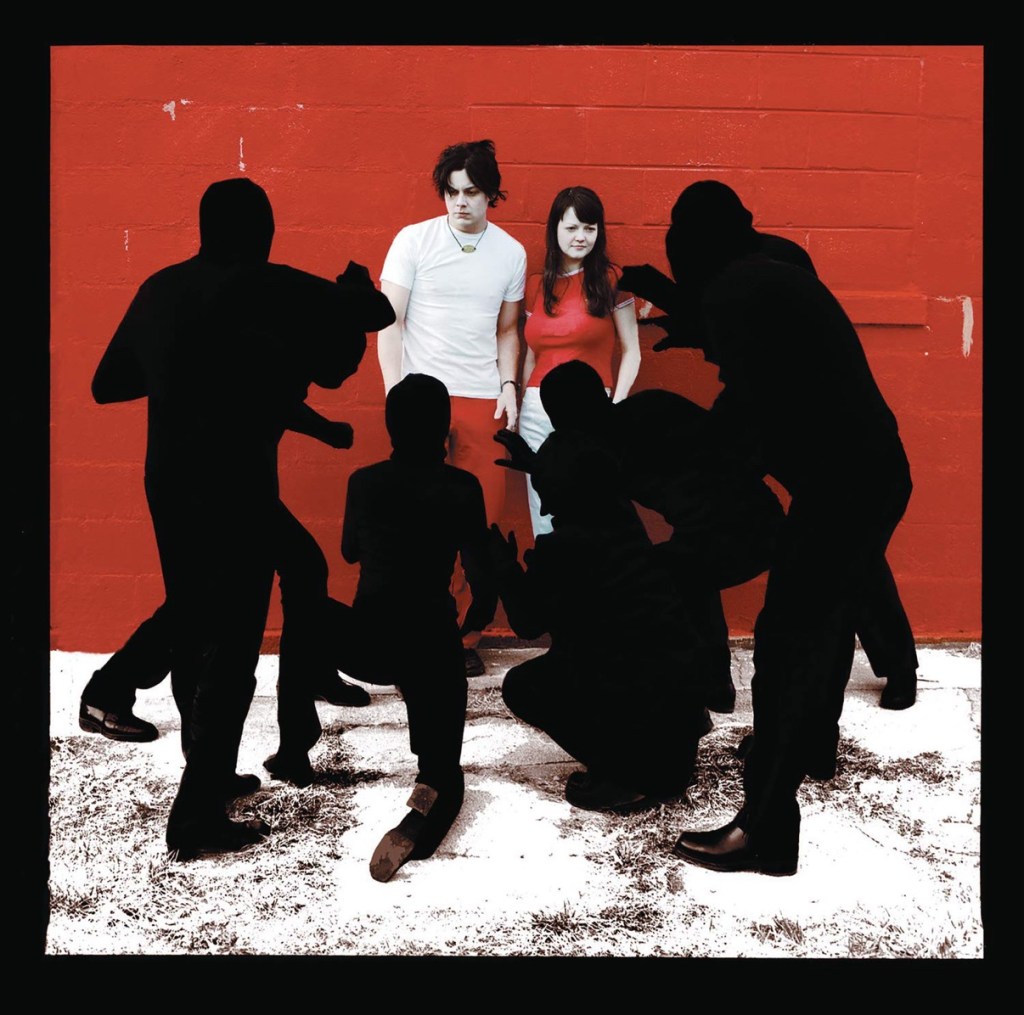
Alt-rock duo The White Stripes rose to prominence on the national scene with the release of their third studio album White Blood Cells in 2001. Their style was unique as a two piece that packed a bluesy punch who stood out as part of a garage rock revival along with bands such as The Hives and The Vines. The album set the stage for The White Stripes run of wildly successful albums in the oughts including the Grammy winning follow up, Elephant.
A guitar clicks into an old amplifier and there is a scream of raw Jack White noise as, “Dead Leaves and the Dirty Ground“ defibrillates the album to life and gives indications for what’s to come. The sound shifts effortlessly back and forth from calm and comforting to distorted and angry as Jack describes what it’s like in the absence of his love. “Every breath that is in your lungs is a tiny little gift to me, a tiny little gift to me.” It’s a great way to kick off an album and it feels like you could have been in that, “Little Room” with them.
If you asked me for a raw sounding song, the first place my head might go on a good day is the lovable and brevity encapsulating, “Fell in Love With a Girl.” Coming in at just under 2 minutes, Jack White was surprised when it was selected to be a single for the album by the record company. It perfectly synthesizes the garage rock vibe of sounding a bit amateurish, but actually being pretty tightly put together. Besides, “Bobby said it’s fine he don’t consider it cheating now.”
The sweet and innocent acoustic finger picking and wonderful lyrics of, “We’re Going to Be Friends” splits the album up nicely with a story about two children walking to school together for the first time. It ends as beautifully as it begins with the thought of tomorrow, “When silly thoughts go through my head, ‘bout the bugs and alphabet, and when I wake tomorrow I’ll bet, that you and I will walk together again, I can tell that we are gonna be friends.”
The album would receive nearly universal critical acclaim and would go on to sell over a million copies. The part I love so much about The White Stripes is the stripped down nature of the two of them playing off of each other. Meg White’s powerful yet simple drums form the foundation for Jack to build a smoke-filled blues club on top of. Their marriage was long over by the time of this record, but the connection between them is lucidly clear, one bass kick and blues riff at a time.
It’s a Wonderful Life of Albums: American Idiot
Why not Dookie? Because I wasn’t 17 when Dookie came out. The feeling of being neck deep in a Green Day wave was palpably similar to when they first exploded in 1994. Nothing was bigger in 2004 than Green Day’s punk rock opera American Idiot. The album has sold more than 23 million copies to date and there was a resurgence in Green Day’s popularity similar to the release of their major label debut with 1994’s Dookie. This was the Green Day album my generation grew up with.
Released in September 2004 with an election looming, lead singer Billy Joe Armstrong didn’t mince words with his thoughts on then President Bush. With the war on terror in full swing and Fox News, led by anchor Bill O’Riley in prime time, were incessantly selling the war. Fox would emerge as the propaganda arm of the Bush administration, and Billy attacked the zeitgeist: “Don’t wanna be an American idiot, one nation controlled by the media, information age of hysteria, it’s calling out to idiot America.” That lyric from the album opening title track sets the stage for what’s to come, it’s more than a rock opera about Jesus of Suburbia, they were making a statement.
Like many other Americans at the time who weren’t buying the bill of goods being sold about weapons of mass destruction, Billy continues with the chorus of, “Holiday.””I beg to dream and differ from the hollow lies, this is the dawning of the rest of our lives.” Later, before the track fades into billboard hit, “Boulevard of Broken Dreams” the bridge has Billy throw out, “Seig Heil to the president gasman!” As memory serves, this was not hyperbolic, and there were as many people calling Bush and Cheney fascists then as there are about Trump now.
Not everybody was caught up in the politics of the album however, a lot of people just really loved, “Boulevard of Broken Dreams,” and what a tune it is. With that soaring chorus and the throng of people singing along, if you walked with Green Day you didn’t walk alone, “My shadow’s the only one that walks beside me, my shallow heart’s the only thing that’s beating.” It was a massive hit song with everybody from the Hot Topic people to the Hollister people, and that’s a rare event.
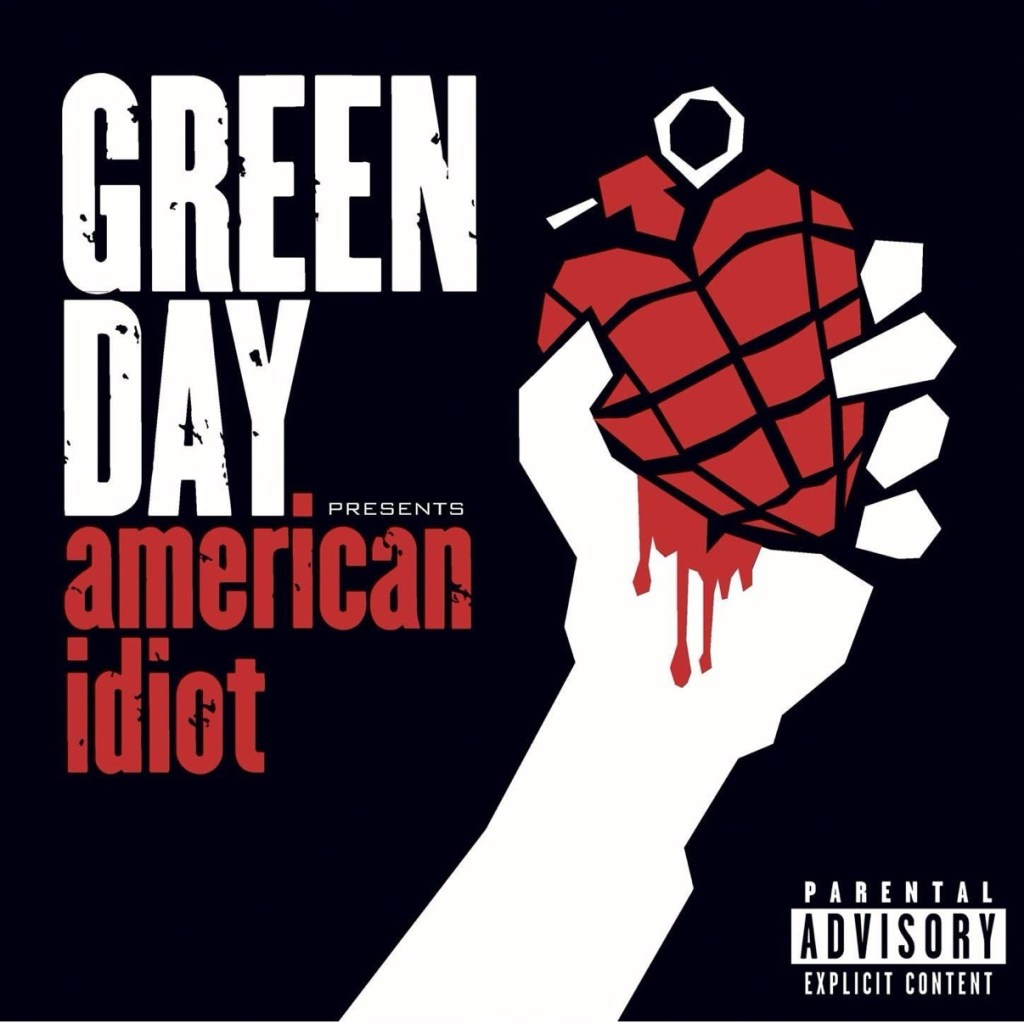
Thinking back about this time in music, I am glad I was a part of it. Every time I see the album art for this leviathan, I remember it fondly. Calling it the Millennials’ rock opera is fine with me, and it did eventually become a Broadway musical. Is it better than Dookie? No. Is it also great? Yes. American Idiot was a cultural benchmark of the mid 2000s and holds up today, let yourself drown in the power chords.
It’s a Wonderful Life of Albums: Get Born
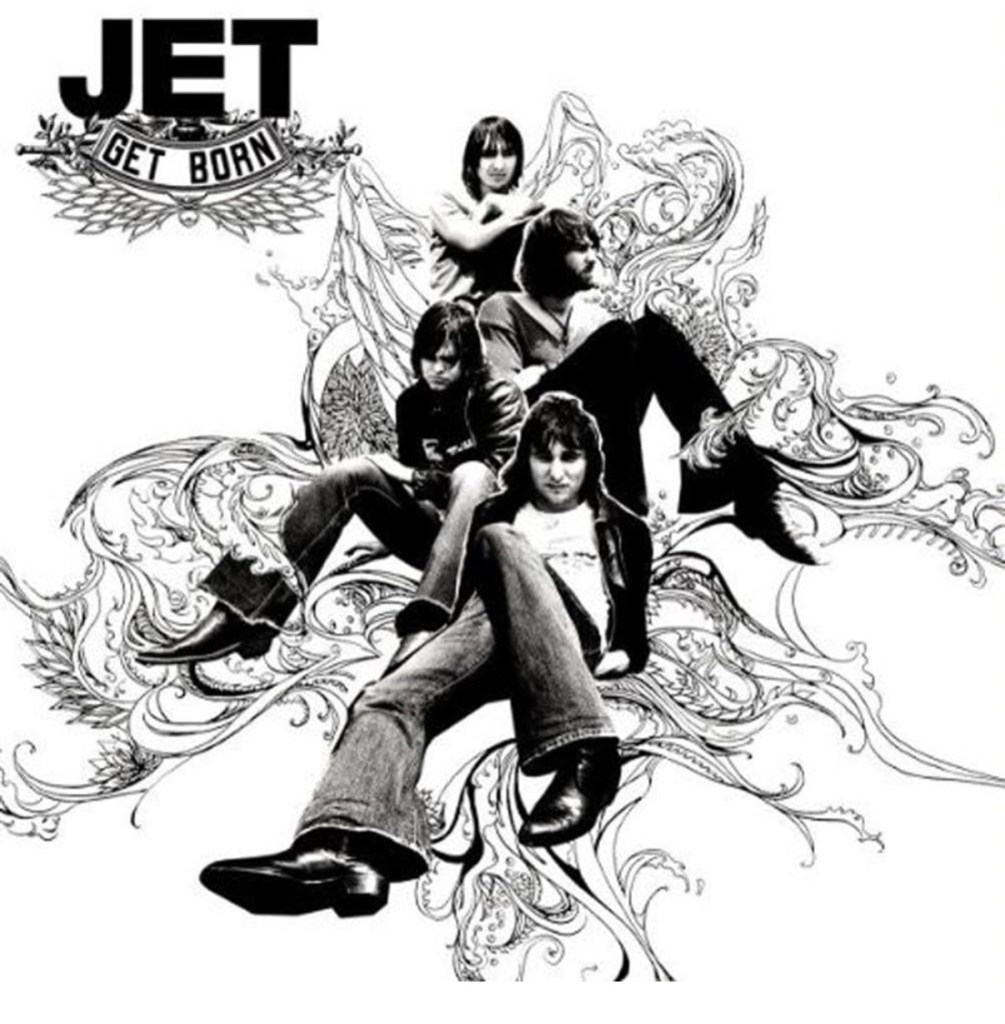
Some would call it selling out, but I think it’s a pretty good sign if Apple calls and says we want to use your song to promote the music device that defined a generation. Australian rock outfit Jet’s debut album Get Born features so many great songs that if you weren’t there for it you might ask which one they used. “Are You Gonna Be My Girl?” is so upbeat and energetic, it’s as if they intentionally made the song to accent the black outline of a person dancing with an iPod to it.
The tambourine and bass intro that set the stage for the delectable main riff on, “Are You Gonna Be My Girl?” set the oughts on fire. It doesn’t require any sort of preparation, or greater thought process, it’s binary: Are you a human being or not? If you are, this song causes involuntary body movement in people. “So one, two, three take my hand and come with me, because you look so fine that I really wanna make you mine.” What else do you need?
There simply wasn’t a more fun song in the summer of 2004 than, “Cold Hard Bitch.” Back in the waning days of call-in requests to radio stations, there was a litany of hilarious dedications to ex-girlfriends and ex-wives. Often the DJ would egg them on until they let out a deeply satisfied, “She was a cold hard bitch.” The guitar on this track hooks you from the jump, and leads you down a road of playful misogyny, “Gonna take her home cause she’s over romancin’, don’t wanna hold hands and talk about our little plans alright.”
If you need respite from the rock for a moment you’ll find it with the breather ballad, “Look What You’ve Done.” It opens to a sad piano lamenting, “Take my photo off the wall if it just don’t sing for you, ‘cause all that’s left has gone away and there’s nothing there for you to prove.” In this song we see the versatility of the band and it provides some soothing mellow tones to an otherwise energy filled romp.
The album spawned five singles and sold over four million copies, it has something for everyone. The band enjoys a break from chasing tail and takes aim at the disc jockey on, “Rollover D.J.” “I wanna move but it don’t feel right, ‘cause you been playing other people’s songs all night.” “Radio Song” also offers a nice relaxed album track for you to fall in love with, this album uses all 48 minutes to the fullest. To not love this album, you would have to be some kinda cold, hard…Well nevermind.
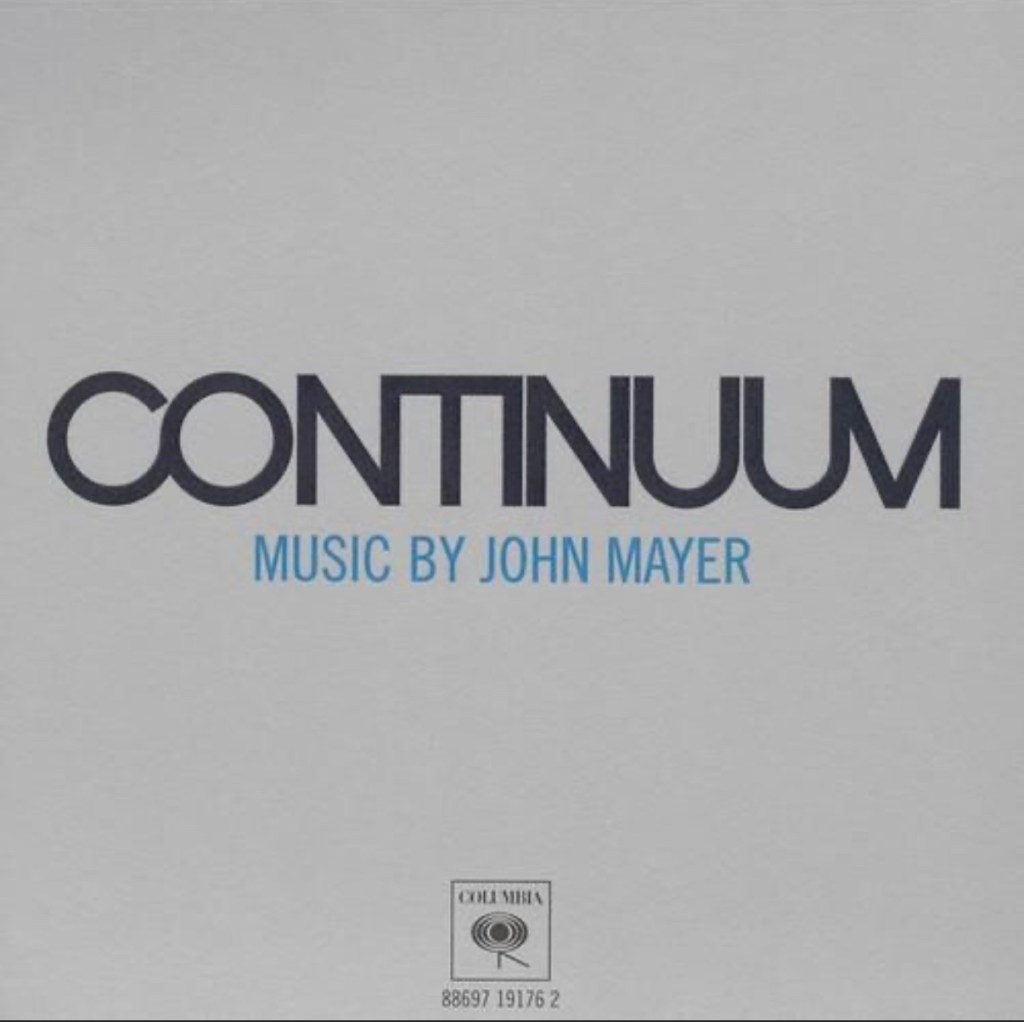
It’s a Wonderful Life of Albums: Continuum
John Mayer was a polarizing figure before he broke Taylor Swift’s heart, frankly for a period of time he was a ladykiller who also played guitar. Thankfully for me, the guitar part was doing all the heavy lifting. His first two albums Room for Squares and Heavier Things were wildly successful albums in their own right, but it was clear John wanted to step out of the shadow of being the guy who wrote, “Your Body is a Wonderland.”
Continuum was golden era John Mayer, coming off the heels of his John Mayer Trio project with legends Pino Palladino and Steve Jordan, he was in peak form. This is 2006, three years after Bush declared, “Mission Accomplished” and well after the honeymoon period of the Afghanistan and Iraq wars. “Waiting On the World to Change” is about as close to a protest song as a pop artist will get, and it’s fantastic, “Now if we had the power, to bring our neighbors home from war, they would have never missed a Christmas, no more ribbons on the door.”
Elaborating upon this disgruntled feeling, “Belief” echos a similar sentiment, and who could forget the Islamophobia that ran through the country like vodka through an Alpha Kappa bro: “We’re never gonna win the world, we’re never gonna stop the war, we’re never gonna beat this if belief is what we’re fighting for.” It’s not all gloom from the oughts, there is also blues, “Gravity” and “Vultures” are fantastic songs written during his time with the Trio. In addition, there is a completely respectable cover of Jimi Hendrix’, “Bold as Love.”
The song that hit the hardest on this album with its’ weeping lead guitar is, “Slow Dancing in a Burning Room.” John really gets after the solo on this slowly ending tragedy of a relationship: “I’ll make the most of all the sadness, you’ll be a bitch because you can, you try to hit me just to hurt me, so you leave me feeling dirty, ‘cause you can’t understand.” This is John Mayer’s best work, on his best album. It shows how much he can squeeze out of a Fender Stratocaster, and really makes you forget the bubblegum pop stuff, as good as it is.
If you wrote off John Mayer twenty years ago as fluff for the tabloids, you would be wrong, but it was easy to get that impression. I could tell you it sold five million copies in a post Napster world, but that’s just a number. I could tell you there’s another side of John, and he explores it here, but that’s subjective. What I will tell you is that this album is his best work in the studio, and stop this train, I wanna get off and listen to this album again.
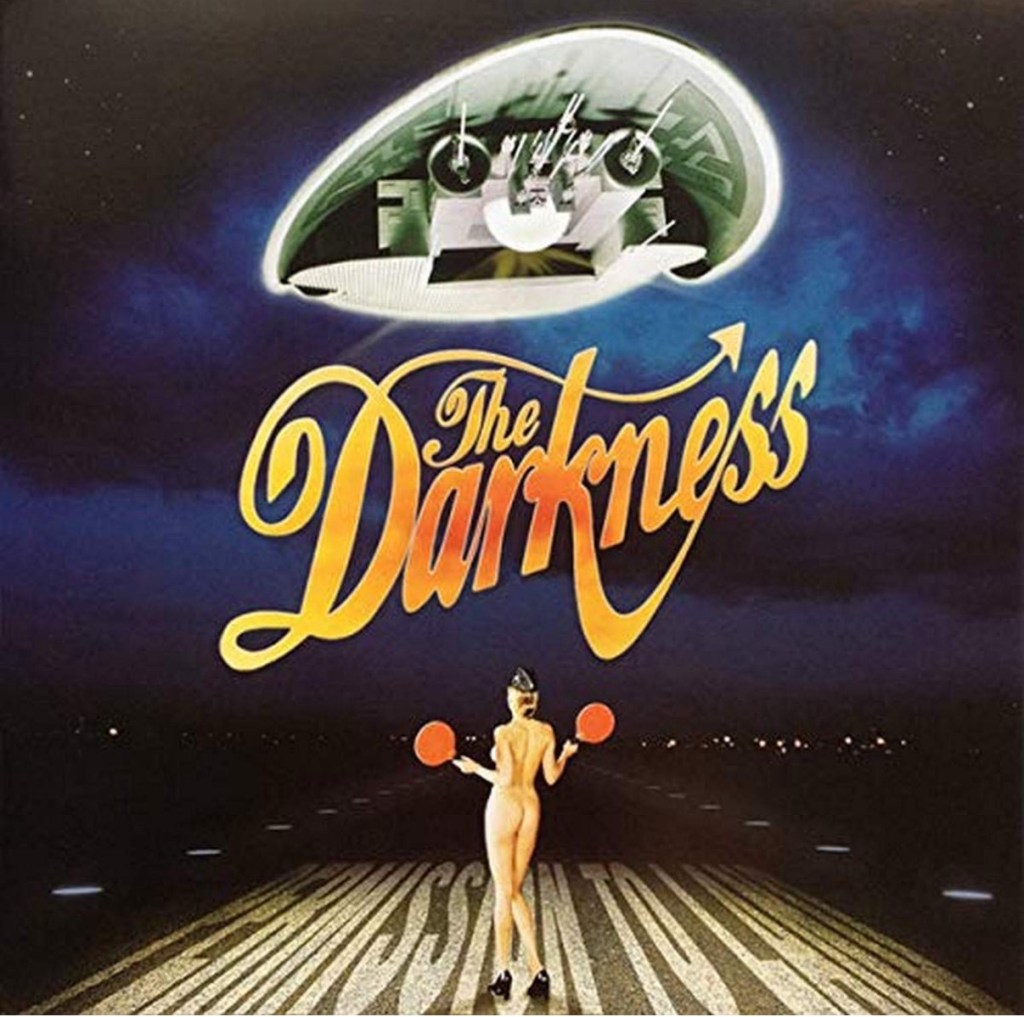
It’s a Wonderful Life of Albums: Permission to Land
I was just starting my sophomore year in high school when the single, “I Believe in a Thing Called Love” started getting airplay and it blew up. The song was everywhere that fall, and I was lucky enough to get the recommendation from a football teammate on just how solid the whole album was. From the opening distorted chords of, “Black Schuck” I was hooked and after a few listens to Permission to Land I started to believe in a band called The Darkness.
The sound was a throwback, a mixture of hard rock and glam with lead singer Justin Hawkins looking like he was straight out of an eighties hair metal video. It topped the charts in the United Kingdom and has sold just shy of two million copies worldwide to date, the debut brought back some of the antics and debauchery that made rock and roll fun. It could reasonably be thought, this is the kind of band that gets banned from hotels and smashes things.
A great guitar riff can be great in era, and it is inexplicable that they were allowed two guitar solos on a radio song in 2003. “I believe in a thing called love, just listen to the rhythm of your heart, there’s a chance we can make it now, we’ll be rocking ‘til the sun goes down” is simply so infectious that every time I hear it I have to pretend I can still do the falsetto part like I’m a teenager, something that should only be attempted in the shower.
Joyful is always the word that comes to mind when I think about Justin Hawkins running into an old crush at a dance club while rattling off all the extra-curricular activities they used to do together. “Friday Night” is easily the most innocent sounding song, and does a lot to balance the darker parts of the album. Whether it be needlework, badminton, cycling or rowing on the weeknights, we’re always dancing on a Friday night with you, mystery girl. That girl who, “God, the way she moves me to write bad poetry” and whom we all know so well.
“Growing On Me” and “Love is Only a Feeling” were singles that didn’t reach the same popularity their biggest hit, but add to the depth of the album nicely. After all, how could this over the top flashback of an album not have a ballad? It’s a record that was different from anything else at the time, the fervent energy the band had back then really shines through. It’s still worth a spin today, just listen to the rhythm of your heart.
It’s a Wonderful Life of Albums: Parachutes
It wasn’t the easiest thing to like Coldplay after the movie, “40 year old Virgin” came out with the side-splitter, “You know how I know you’re gay? You listen to Coldplay.” If I were a more scrappy individual, I might have gone to blows about this album with a few idiots who echoed the sentiment of the joke. Neanderthals aside, this debut was so good that it beat out homophobia in a small religious town, truly a miracle back in the days when Coldplay was a rock band.
Selling 13 million copies since its’ release in 2000, the album achieved worldwide critical and commercial success. Coldplay would go on to become one of the biggest pop acts in the world with the Viva La Vida or Death and All His Friends album being a line of demarcation away from their roots. Chris Martin puts on a hell of a live show, and usually only has positive things to say. The mainstream works that followed are good, but I will forever be thankful for those first three rock albums.
With just shy of three billion streams on Spotify, “Yellow” might be one of those fleeting examples of a band’s most popular song also being their best. Four sons of school teachers caught lightning in a bottle for this one, “Look at the stars, see how they shine for you, and all the things that you do.” Lyrics that paired with an intro that explodes like the big bang when the lead guitar comes in, they don’t play songs this good in church.
“Yellow” was accompanied by two other excellent singles in, “Shiver” and “Trouble” but for me it’s the album opener that shines brighter. “Don’t Panic”, with its’ nervous climbing guitar line and the ending suggestion that, “Oh all that I know, there’s nothing here to run from, cause yeah everybody here’s got somebody to lean on.” It’s a short song at just over two minutes, but it sets the tone for the album as a whole and as it leads into the next track, “Shiver” it really makes me miss when Coldplay featured guitars more.
The moral of the story is that anyone can turn Coldplay into a punchline, they became very popular, and if that’s how you choose to waste your energy, okay. I no longer get mad about it though, I just feel sympathy for people that can’t enjoy Parachutes, A Rush of Blood to the Head or X and Y. To end on a positive note, we have come a long way since that silly joke, and are better for it. You know how I know you like Coldplay? You listen to good music.

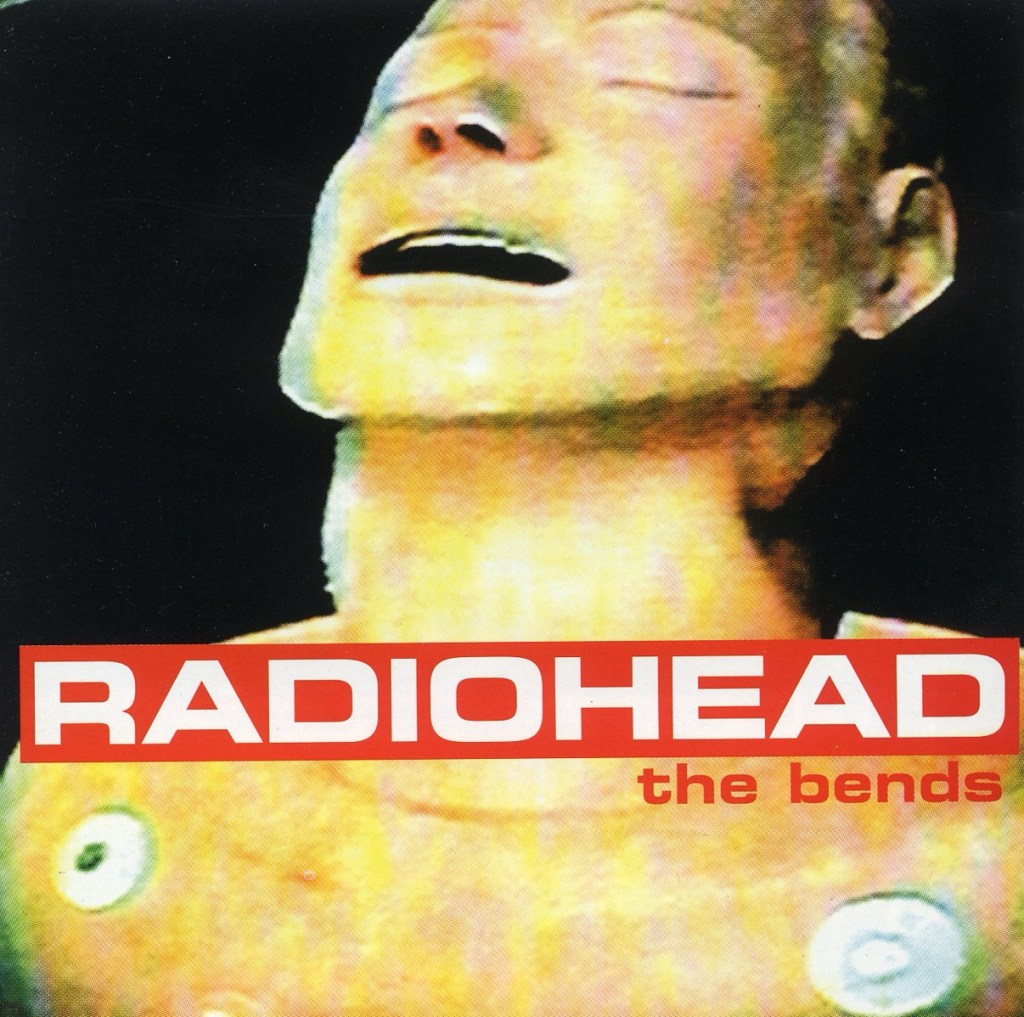
It’s a Wonderful Life of Albums: The Bends
I once suggested to an old friend in college that Radiohead, specifically The Bends and OK Computer, was the best music for studying. I was overjoyed a few weeks later when he texted back in agreement from his campus a hundred miles away. Radiohead is a bit difficult to pin down or describe in a sound bite, so most people don’t get it. Everybody knows, “I’m a creep, I’m a weirdo, what the hell am I doing here?” but it’s only a music lover who gets to call themselves a Radiohead fan.
While the single, “Creep” from their debut album Pablo Honey will always be their most famous song, in music circles you will get somewhere around four different answers for best album, and none of them are Pablo Honey. 1995’s Radiohead masterpiece The Bends represents a more matured sound that separated them from the crowd of loud rock bands of the era. They weren’t Brit-pop and they weren’t grunge, however they were fantastic. This would be proven out over the aforementioned releases that followed such as OK Computer, Kid A, and In Rainbows.
The first single from the album was picked for the fans, and lacked commercial radio appeal. “My Iron Lung” can be interpreted as the band loathing the success of, “Creep” but that’s not to say the album didn’t have viable mass appeal. The album sold over two million copies worldwide by the end of 1996 on the strength of the band’s top to bottom talent. Lead singer Thom Yorke really shines on the dystopian love song, “Fake Plastic Trees” as well as providing soaring vocals throughout the rest of the album.
Haunting is the first word that comes to mind for album ending track, “Street Spirit (Fade Out)” from start to finish awash in beautiful anxiety. The guitar line that repeats throughout creates the texture for the equally stressed lyrics, “This machine will, will not communicate these thoughts and the strain I am under.” It would go on the become Radiohead’s first top five on the UK singles charts, dissuading the notion of the band being a one hit wonder. The song’s fixture at the end is a wonderful cleansing release to this album of guitar panic.
Radiohead are in the pantheon of the great bands of all time, but the music is not for everyone. There aren’t sing-along songs, and one wouldn’t be advised to put on Radiohead at the bar jukebox. The Bends is my favorite Radiohead album because it is more guitar focused than the others I mentioned and listening to it is a meditative experience. The quality is there from start to finish, and if you compare it to bubble gum pop nonsense, this is New York strip versus Skittles.
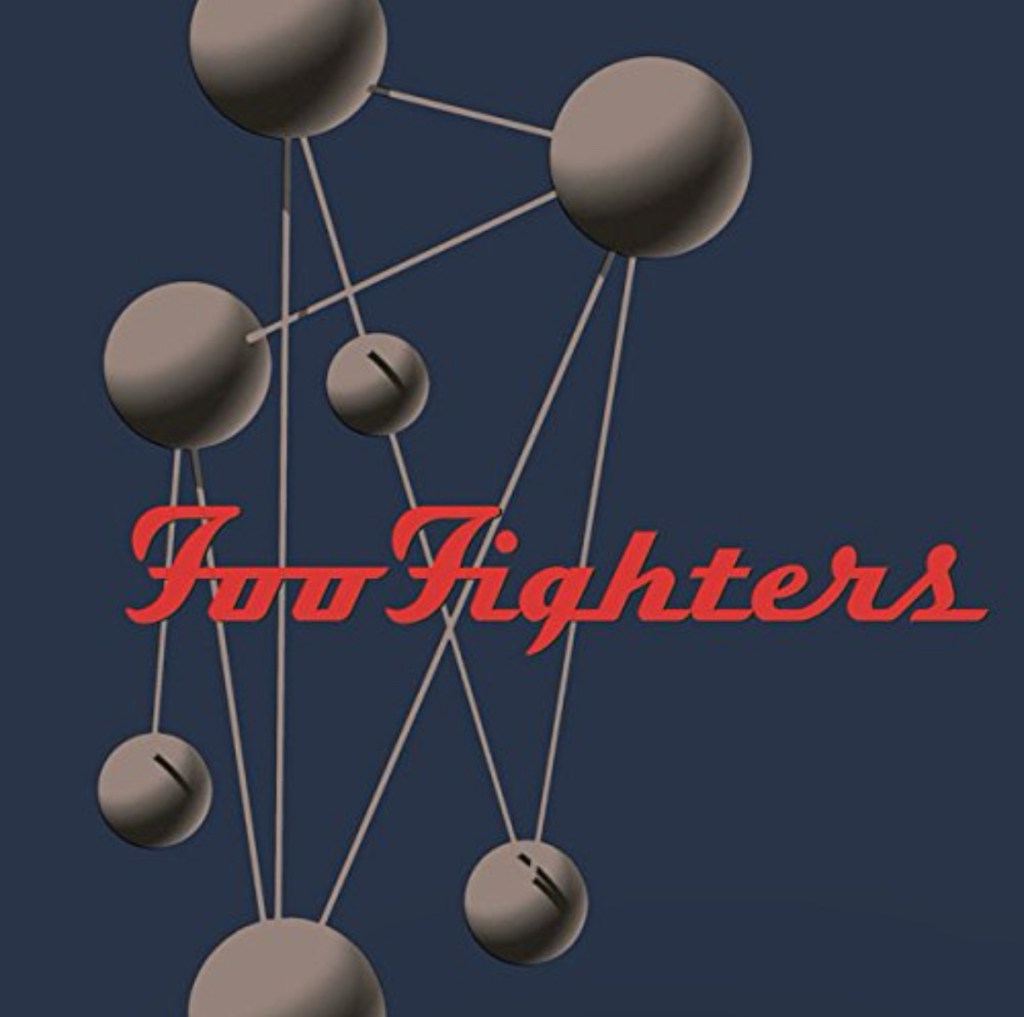
It’s a Wonderful Life of Albums: The Colour and the Shape
I’ll never make it to heaven, but if good old St. Pete told me my entrance was contingent upon naming the best rock’n’roll band of my lifetime, it’s Foo Fighters without hesitation. Born from the ashes of Nirvana as the solo project of drummer Dave Grohl there just isn’t another band from 1987 to now that’s both qualitatively and quantifiably massive. This 1997 sophomore effort from Dave was a step away from the grunge era that defined him, toward the more melodic and accessible rock sound they are now known for.
The Colour and the Shape may represent their best album, but I’ll gladly debate you aimlessly until three in the morning because they have two others that are just as good. After the introductory first track, “Monkey Wrench” kicks your front teeth in with a blistering pace of 174 beats per minute. Dave belts out his frustrations over distorted guitars, “Adolescent resident, wasting another night on planning my revenge” and it is so visceral it almost bleeds.
Infamously, Grohl recorded his own drum tracks for nearly the entire album unbeknownst to the drummer in the band. William Goldsmith rightfully didn’t take it well, and the result was him leaving the group, but the rest of us getting the masterclass of Dave on the throne. I can’t imagine, “My Hero” opening with any other drum intro, and I often find myself trying to isolate what the drums are doing on this album, which is something I rarely do as a failed guitarist.
“And I wonder when I sing along with you, if everything could ever feel this real forever.” ‘“Everlong” is’…Frankly, a very difficult sentence to finish. There is the guitar in drop D tuning to maximal effect in the intro, the drums at a pace only Taylor Hawkins could later come close to replicating, everything on this track is turned up to 11. It builds into one of best songs of the decade, and with over a billion streams on Spotify this is the signature Foo Fighters song for the ages.
It’s a really special moment when someone turns exceptional talent and tragedy into something millions can enjoy forever, that is Dave Grohl with Foo Fighters. More specifically, this album was him taking everything he can do musically and putting it on a canvas. There is a level of polish on this record that would serve as the blueprint for most of the rest of the band’s existence in the spotlight. Dave Grohl is a hero in my book, though I wouldn’t say ordinary.
 liveforthepage
Recent Comments